
Stopping The Pain And Saving The Tooth
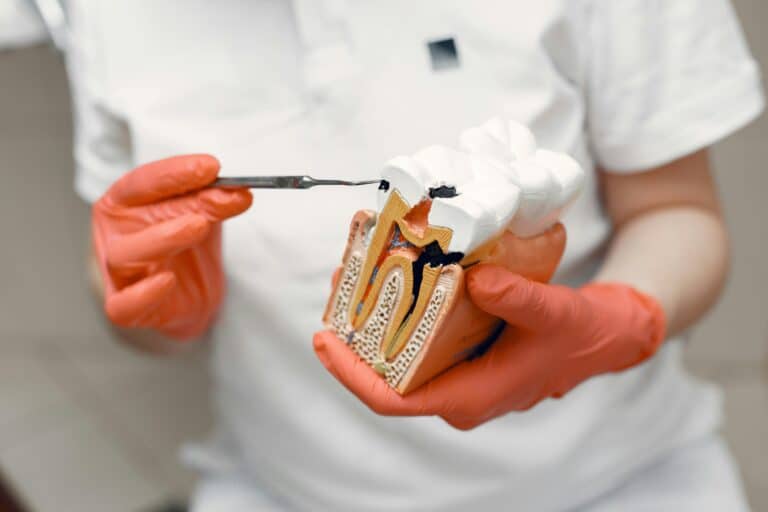
At DentalX Downsview Dental Clinic , we want you to understand what causes tooth pain—and how we can help relieve it. Bacteria can enter the tooth pulp (nerve) through deep decay or cracks in the tooth. The acids produced by these bacteria irritate the pulp, causing inflammation and infection. As pressure builds up inside the tooth, it can lead to severe, constant pain.
This is why treating tooth decay early is so important. When left untreated, the infection can permanently damage the tooth pulp and may lead to an abscess forming at the root of the tooth, which can affect your overall oral health.
Root canal therapy is a safe and effective way to save an infected tooth. During the procedure, your dentist gently accesses the tooth under local anesthetic, removes the infected pulp, and carefully cleans, shapes, and seals the root canals. Digital X-rays are used throughout the process to ensure the canals are thoroughly prepared and properly filled.
At DentalX, we use modern techniques and a gentle approach to make root canal treatment as comfortable and stress-free as possible—so you can return to eating, smiling, and living without pain. Contact Us Today.
FAQs
What Is Root Canal Treatment?
Root canal treatment (also called endodontic therapy) is a dental procedure that removes infected tissue from inside a tooth and seals it to prevent further infection. By eliminating the source of infection, this treatment helps stop spreading and preserves the structure of your natural tooth.
Why may I need It ?
A root canal may be recommended if you have symptoms such as:
- Severe or persistent toothache
- Sensitivity to hot or cold that lingers
- Darkening of the tooth
- Swelling or tenderness around the gums
- Abscess formation
If left untreated, infection can spread to surrounding teeth or bone
How does Root Canal Treatment work?
Our root canal process includes:
- Diagnosis and X-rays – We assess your symptoms and take images to locate the infection.
- Local anesthesia – Keeps you comfortable and pain-free.
- Cleaning and shaping – We remove infected pulp and clean the canal.
- Filling and sealing – The canal is filled and sealed to prevent reinfection.
- Restoration – Often completed with a crown to protect the tooth.
Benefits of Root Canal Treatment
- Saves your natural tooth
- Relieves pain
- Prevents infection spread
- Restores normal chewing ability
Aftercare and Recovery
Most patients can resume normal activity soon after treatment. Good oral hygiene, soft foods during the first 24 hours, and regular check-ups help ensure a successful recovery.
Is the Root Canal Treatment painful ?
With modern techniques and anesthesia, most patients feel minimal discomfort.
How long does the procedure take?
Many treatments can be completed in one or two visits.
Will I need a crown afterward?
Not Always but often, a dental crown is placed afterward to protect the treated tooth.
What if it happens Again ?
Root canal treatment is usually very successful. However, if the infection comes back the treatment can be repeated.
What if I don't have the treatment?
The alternative is to have the tooth out. Once the pulp is destroyed, it can’t heal and it is not recommended to leave an infected tooth in the mouth. Although some people would prefer an extraction, it is usually best to keep as many natural teeth as possible.