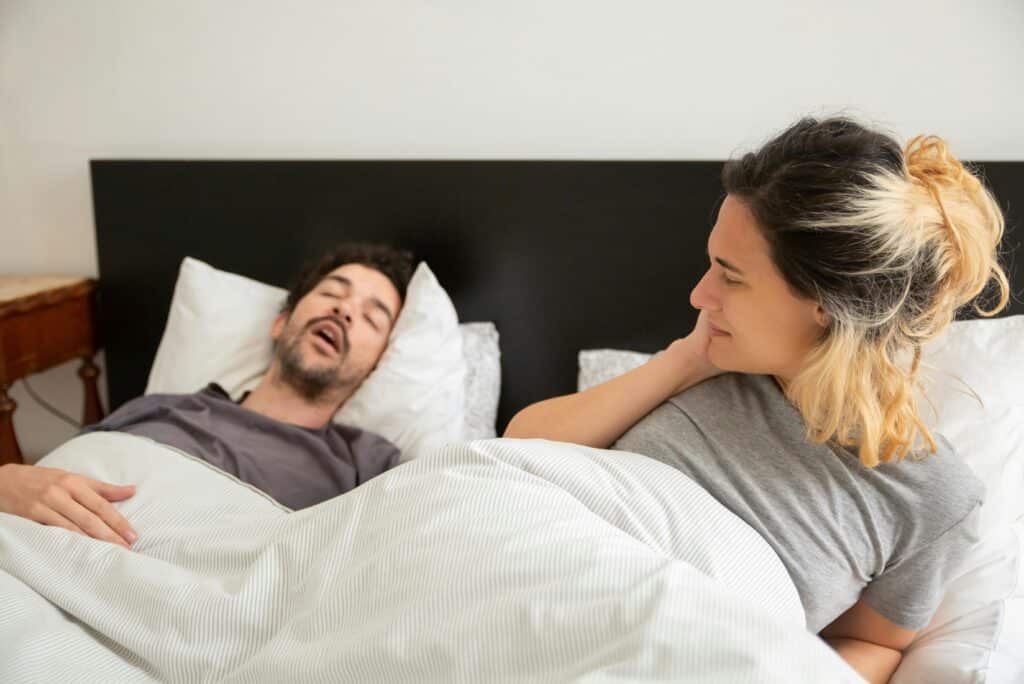
Snoring and Grinding at The Same Time ??
Many patients are surprised to learn that sleep apnea and teeth grinding (bruxism) are often closely connected. At DentalX Downsview Dental Clinic, we frequently see patients who come in for worn teeth, jaw pain, or headaches—only to discover that an underlying sleep-related breathing disorder may be part of the cause.
Understanding this connection is essential for protecting both your oral health and your overall well-being.
What Is Teeth Grinding (Bruxism)?
Bruxism is the involuntary clenching or grinding of teeth, most commonly during sleep. Over time, it can lead to:
- Flattened or cracked teeth
- Tooth sensitivity
- Jaw pain or stiffness
- Headaches and facial pain
- Damage to dental restorations
Many people grind their teeth without realizing it until a dentist identifies the signs during a routine exam.
What Is Sleep Apnea?
Sleep apnea is a sleep disorder in which breathing repeatedly stops and starts throughout the night. The most common form, obstructive sleep apnea (OSA), occurs when the airway becomes blocked during sleep.
Common symptoms include:
- Loud snoring
- Pauses in breathing during sleep
- Waking up gasping or choking
- Daytime fatigue
- Morning headaches
Left untreated, sleep apnea can increase the risk of high blood pressure, heart disease, diabetes, and stroke.
How Are Sleep Apnea and Teeth Grinding Connected?
Research shows a strong link between obstructive sleep apnea and bruxism, and here’s why:
1. The Body’s Protective Response
When the airway collapses during sleep apnea, the brain briefly wakes the body to restart breathing. During this micro-awakening, the jaw muscles may activate, causing clenching or grinding. In many cases, teeth grinding is the body’s attempt to reopen the airway.
2. Shared Risk Factors
Both conditions are associated with:
- Stress and anxiety
- Poor sleep quality
- Jaw alignment issues
- Lifestyle factors such as smoking or alcohol use
3. Muscle Overactivity
Sleep disruptions caused by apnea can lead to excessive muscle activity in the jaw, increasing the frequency
Signs You May Have Both Conditions
You may want to speak with a dentist or healthcare professional if you experience:
- Severe tooth wear with no clear cause
- Jaw pain combined with loud snoring
- Morning headaches and facial soreness
- Chronic fatigue despite a full night’s sleep
At DentalX Downsview Dental Clinic, we carefully evaluate these symptoms during dental examinations.
How a Dentist Can Help
Dentists play an important role in identifying early signs of both bruxism and sleep apnea.
Dental Examination
We look for:
- Worn or cracked teeth
- Jaw muscle tenderness
- Changes in bite alignment
- Signs of airway restriction
Custom Night Guards
For patients who grind their teeth, a custom-fitted night guard can:
- Protect teeth from further damage
- Reduce jaw strain
- Improve comfort during sleep
In some cases, specialized oral appliances can also help keep the airway open for patients with mild to moderate sleep apnea.
Referral for Sleep Testing
If sleep apnea is suspected, we may recommend a referral to a sleep physician for proper diagnosis and management.
Why Early Detection Matters ?
Ignoring teeth grinding or sleep apnea can lead to serious long-term consequences:
- Permanent tooth damage
- Chronic jaw disorders (TMJ issues)
- Increased risk of cardiovascular problems
- Reduced quality of life due to poor sleep
Early diagnosis allows for less invasive treatment and better long-term outcomes.
A Comprehensive Approach to Your Health
At DentalX Downsview Dental Clinic we believe dentistry goes beyond teeth alone. Your mouth is closely connected to your airway, sleep quality, and overall health. By addressing the root cause—not just the symptoms—we help our patients achieve healthier smiles and better sleep.
If you wake up tired, experience jaw pain, or notice signs of teeth grinding, a dental check-up could be the first step toward answers.
Book your consultation today and take control of your oral and sleep health—we are always here to help. Contact Us